
Explore Physynq’s Vision and Commitment to Innovation
Here at Physynq, we build the next-generation engineering AI platform designed to help engineers work faster, smarter, and more efficiently.
Train powerful engineering AI models using your own data, simulations, and design tools without changing the way you work. Integrated with advanced CAD and CAE engines, Physynq accelerates engineering design, analysis, and optimization while connecting teams directly with suppliers and manufacturing partners. From concept to production, Physynq transforms engineering knowledge into intelligent, scalable workflows that deliver faster innovation and better products.
Through our “one-click learning” framework, engineers can efficiently train and adapt AI models to specific industrial scenarios, maximizing both engineering productivity and development efficiency
Meet Our Expert Innovators
Physynq was founded by a team of PhD-qualified engineers and technology innovators from diverse industries including aerospace, F1, medical devices, metal forming, software development, and machine learning. We share a common belief: engineering expertise should be amplified, not replaced, by AI.
Our team brings together deep technical knowledge, real-world industrial experience, and proven AI deployment capabilities. Having worked across the full engineering lifecycle from research and simulation to manufacturing and product delivery we understand the challenges engineers face every day.
Fast-moving, execution-focused, and relentlessly practical, we build AI solutions that integrate seamlessly into existing engineering workflows. By combining advanced AI architectures with powerful engineering tools, PhysynQ enables organizations to accelerate design, unlock knowledge, and transform engineering data into a lasting competitive advantage.
The Executive Team

Dr. Zhixu Xing
Founder and CEO
PhD, Cranfield University; MSc Imperial College London; BSc University of Birmingham
10+ years of industrial R&D experience across aerospace, Formula 1, medical devices, surgical robotics, and consumer products.
Multiple patents and extensive expertise in product development, FMEA, DFM, supply chain integration, and engineering project management.
Leading the convergence of AI and industrial engineering to transform product development and manufacturing efficiency.

Dr. Yujia Wei
Co-founder and CTO
PhD, University of Strathclyde
5+ years of experience in CFD, AI simulation, and engineering optimization.
Published 14 research papers and contributed to projects with Airbus and Severn Trent Water.
Expert in AI-driven simulation, OpenFOAM, ANSYS, and real-time optimization systems.
Core architect of the next-generation AI simulation platform.

Dr. Binxu Zeng
Co-founder and Product Director
PhD in Intelligent Manufacturing from Cranfield University with over 10 years of experience in industrial digital transformation. His expertise spans intelligent manufacturing, food processing, SME digitalisation, and supply chain optimisation. Combining deep engineering knowledge with practical implementation experience, he specialises in AI-driven digital solutions, low-code platforms, data governance, and smart manufacturing, helping businesses accelerate innovation, improve operational efficiency, and achieve scalable industrial transformation.
Other Key Members
A multidisciplinary team of experts from advanced manufacturing, aerospace, industrial simulation, and artificial intelligence, including Formula 1 engineers, CFD specialists, AI researchers, and industrial digitalization experts.
Combining expertise in engineering design, simulation, AI, and manufacturing, the team delivers end-to-end capabilities from concept development to production deployment, driving the future of AI-powered industrial innovation.
Discover the Frontline of AI-Powered Engineering

Passenger Aircraft Cabin Partition
AI-driven redesign achieved a 45% lighter cabin partition structure compared with traditional designs.

Central AC R&D Acceleration
Complex central air condition design and simulation cycles were reduced from 3 days to just 1 hour, significantly improving R&D efficiency.

Aircraft Structural Analysis
Simulation time reduced from 8 hours to 15 seconds, while maintaining 96%+ accuracy and meeting aerospace-grade safety requirements.

Injection Molding Optimization
Defect rates reduced by 28%, while overall manufacturing costs decreased by 15%, significantly improving production efficiency and profit margins.
Innovative Breakthroughs Powered by Physynq
Discover how Physynq’s AI-driven platforms revolutionize industrial R&D, empowering engineers to accelerate innovation and reduce costs seamlessly.
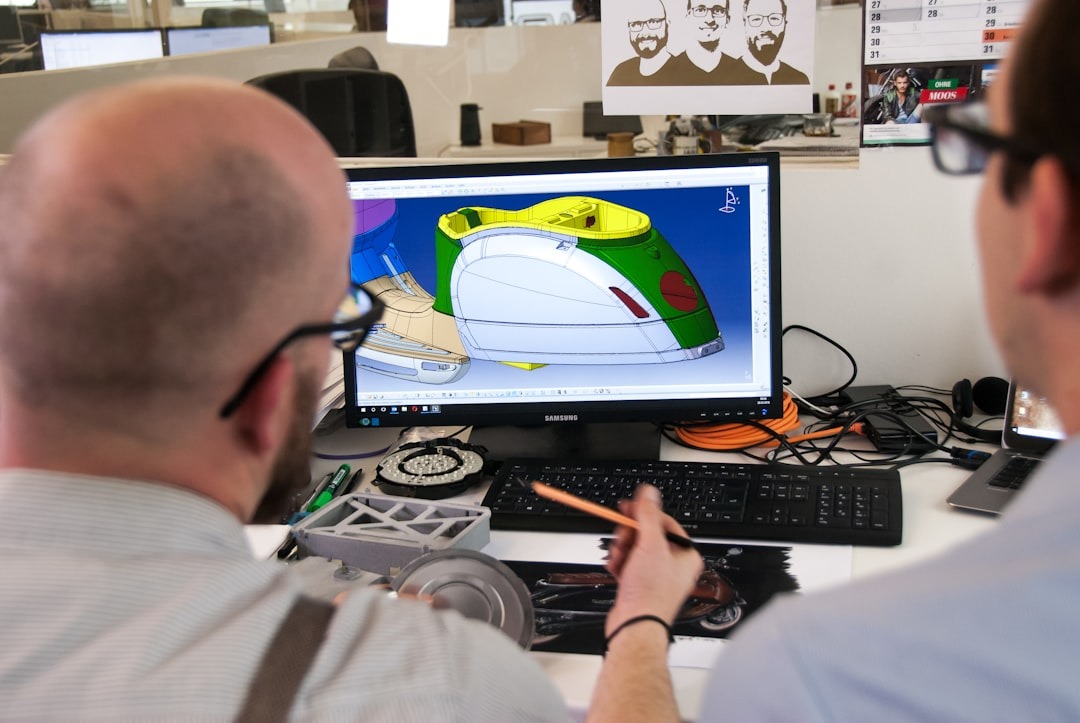
AI+CAD Generative Design
- Define Requirements: Input design goals (e.g. “30% weight reduction”) and engineering constraints such as materials and manufacturing limitations.
- AI Exploration: AI rapidly explores design possibilities and optimization directions.
- Solution Generation: Automatically generate and rank multiple optimized design solutions based on performance metrics.
- Seamless Integration: Optimized solutions can be directly exported into CAD formats, seamlessly integrating into engineering workflows.
AI-Driven CAE Acceleration
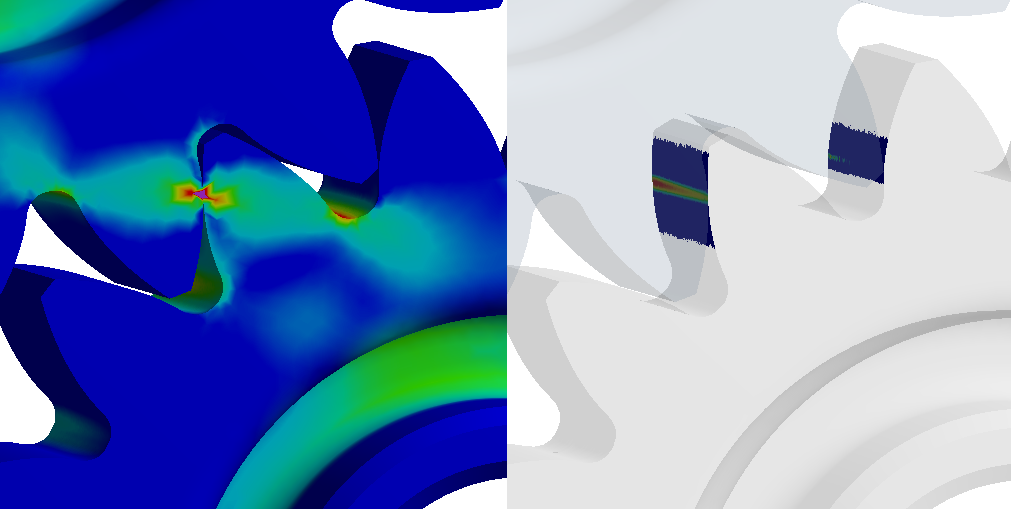
- Preparation: Optimized solutions can be directly exported into CAD formats, seamlessly integrating into engineering workflows.
- Model Training: Physynq automatically trains a tailored AI model in the background, capturing engineering knowledge and relationships from existing workflows and datasets.
- Define Objectives: Define performance targets, and engineering constraints, then use the trained model to generate rapid predictions, design recommendations, and optimisation insights.
Digital Engineering Expert Advisor
- Identify applicable industry standards, regulatory requirements, and compliance frameworks, and establish design guidelines tailored to the project requirements from the outset.
- Conduct structured engineering assessments, including FMEA, DFM, DFA, and other design validation methodologies, to identify potential risks and improve product robustness and manufacturability.
- Evaluate, screen, and select suitable components and materials from trusted global suppliers during the early design stages, enabling informed decisions on cost, availability, lead time, and supply chain risk.
- Perform comprehensive design sanity checks and engineering reviews prior to formal design submission, ensuring technical consistency, compliance, and readiness for internal review and downstream development activities.

Discover How Physynq Transforms Industrial Innovation
Join us to empower engineering breakthroughs with AI-driven platforms that streamline design, cut costs, and speed up product development. Engage with our solutions to revolutionize your R&D workflow.